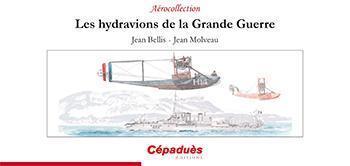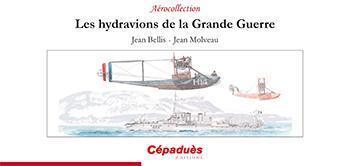
THE SEAPLANES OF THE GREAT WAR
On March 28, 1910, a flying machine took off from the liquid element before resting on it. A world first, the work of French pioneer Henri Fabre. On April 13, 1912, another French pioneer, François Denhaut, did the same with a machine of new architecture, a sort of canoe with a canopy. Two types of machines, floatplanes and flying boats, coexisted. The Great War imposed the military use of aviation. From then on, it proved relevant to use marine aircraft in a maritime environment (especially as the engines still had to gain in reliability) and for the same tasks as their land-based counterparts, initially observation. However, the specific characteristics of naval combat will lead seaplanes, operating from coastal bases, or even from fitted out boats, to increase their power and endurance in order to diversify their missions: sea rescue, exploration and patrol (remote reconnaissance and convoy protection), bombing of ships and land targets, torpedoing and even hunting. Perfected during the conflict, the seaplane will be ready for civilian use as soon as hostilities end...
Impossible de charger la disponibilité pour le Service de retrait
LES HYDRAVIONS DE LA GRANDE GUERRE est en rupture de stock et sera expédié dès qu’il sera de retour en stock.
THE SEAPLANES OF THE GREAT WAR
Paiement sécurisé
Vos informations de paiement sont traitées de manière sécurisée. Nous ne stockons pas les détails de votre carte de crédit et n'avons pas accès aux informations de votre carte de crédit.